
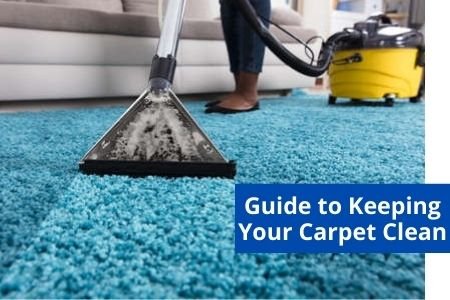
How I Clean My Carpet
How often do you think about cleaning your carpet? Probably not very often.
Carpets are easy to overlook when it comes to cleanliness since they often don’t show visible signs of dirt. However, the reality might surprise you. Beneath the surface, carpets can be one of the dirtiest areas in your home. Think of them as sponges—trapping dust, allergens, mites, and other particles that could harm your health. Neglecting regular carpet cleaning can pose greater risks than you might realize.
The tricky part? It’s hard to tell when a carpet is dirty unless it has visible stains. But why wait for a stain to take action? Owning a carpet means taking responsibility for its upkeep—it’s a duty that comes with the territory.
To help you maintain a clean and healthy home, here are some simple yet effective tips to keep your carpets fresh and hygienic. With the right approach and the best carpet cleaners, you can ensure your carpets remain in top condition!
Carpets are made up of countless tiny fibers that tend to trap even the smallest particles of dust. These particles can settle deep within the fibers and remain there indefinitely—even if you live alone. That’s why regular vacuuming is essential to prevent dust, dander, and allergens from embedding themselves into your carpet.
How often you should vacuum depends on your lifestyle. As a general rule, vacuuming twice a week is recommended. However, if you have young children or pets, daily vacuuming is ideal to keep the surface layer of your carpet clean and free of debris.
Choosing the right vacuum cleaner is just as important as how often you use it. Take the time to find a vacuum with the appropriate suction power and roller design for your carpet’s fiber length. Once you have the perfect vacuum, remember to clean its filters regularly and move it slowly across the carpet to ensure you’re removing as much dirt and dust as possible.
If you have a carpet in your dining or living room, chances are you’ve dealt with spills before. For anyone who values a tidy home, spills can be a nightmare.
When accidents happen, there’s no time to waste. Immediate action is key—don’t let the spill sit on the carpet. Once a stain dries or seeps into the carpet fibers, it becomes much harder to remove. Worse yet, it can lead to unpleasant odors or even mold.
Start by using paper towels to blot up as much of the spill as possible. Avoid rubbing, as this can push the stain deeper into the fibers. Next, gently dab the area with an all-purpose carpet cleaner. Be sure to test it on a small, inconspicuous patch first to ensure it won’t damage your carpet.
While an all-purpose cleaner can handle most emergency spills, it’s worth researching specific cleaning methods for expensive or delicate carpets. For example, you can look up techniques for removing common stains like coffee or red wine or invest in cleaning agents designed for particular stains. A little preparation goes a long way in keeping your carpet spotless.
Nothing harms carpets more than exposure to dust, and your shoes are the main culprits. To minimize dust buildup, place dust mats at every entrance. These mats will catch most of the dirt and debris from your shoes before it gets tracked inside.
For an even better solution, consider adopting a no-shoes policy indoors. Leaving shoes at the door prevents fine dust particles, allergens, and other outdoor contaminants from spreading around your home and settling into your carpet. This simple habit not only keeps your carpet cleaner but also extends its lifespan by reducing wear and tear caused by shoe traffic.
Additionally, to keep dust from accumulating, close your windows—especially if you live near construction sites or areas with heavy activity. A little prevention goes a long way in keeping your carpets fresh and clean.
Investing in a beautiful carpet for your home is no small feat, and it deserves to be treated as such. To truly get the most value out of your purchase, proper care and maintenance are essential to keep it looking stunning and lasting for years to come.
Start by adopting some simple preventive measures to extend your carpet’s lifespan. For instance, protect it from direct sunlight, as prolonged exposure can weaken the fibers and cause them to fade over time.
If your home is bustling with pets or frequent visitors, consider implementing a no-shoe policy to reduce dirt and wear. Additionally, make it a habit to wipe your pet’s paws before they come inside—small efforts like these can make a big difference.
Choosing the right carpet for your lifestyle is equally important. For households with minimal foot traffic or smaller families, long-fiber carpets might work beautifully, though they tend to attract dust. On the other hand, if you have a large family or pets, short-fiber carpets are a more practical choice—they’re easier to clean and less prone to trapping debris.
By thinking ahead and tailoring your carpet care routine to your home’s needs, you’ll ensure your investment remains a cherished part of your decor for years to come.