
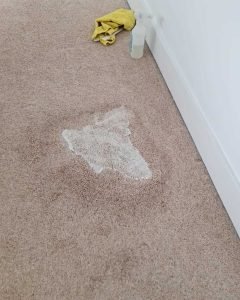
How to Remove Old Carpet Stains Like a Pro
Have you moved furniture around recently and uncovered old, mysterious stains on your carpet? Or maybe you’ve been battling impossible-to-remove spots caused by coffee, wine, or even mischievous pets. Whether it’s a tough water-soluble stain or a non-water-soluble one, the solution is simpler than you think. Using smart, homemade remedies, you can rejuvenate your carpet and save it from costly replacements.
This guide will walk you through different stain types, DIY solutions, and proven techniques to efficiently tackle even the most stubborn carpet stains.
Understanding Stain Types
Before tackling a stain, it’s crucial to identify what you’re dealing with. All carpet stains generally fall into three categories:
Water-Soluble Stains
These stains are easier to clean and respond well to water-based treatments. Common examples include:
- Alcoholic beverages
- Berries
- Cola
- Excrement
- Food dyes
- Gravy
- Ice cream
- Jelly
- Milk
- Mud
- Latex or washable paint
Tough Water-Soluble Stains
These stains are more challenging to remove due to their composition. For instance:
- Blood
- Chocolate
- Coffee
- Mustard
- Tea
- Vomit
- Wine
Non-Water Soluble Stains
These stains don’t dissolve in water, requiring additional effort and the right cleaning techniques. Oils, grease, and certain paints fall into this category. However, don’t worry; the tips shared below can help overcome all types of stains.
Homemade Solutions to Remove Old Carpet Stains
Armed with some simple household ingredients, you can create effective stain removers to restore your carpet’s charm.
Your Basic Toolkit:
Here’s what you’ll need to tackle most stains:
- Dishwashing detergent (without bleach)
- Ammonia
- White vinegar
- Baking soda
- Hydrogen peroxide
- Borax
- A spray bottle
- Clean, white cloths or towels
- A shop-vac, steam vac, or vacuum cleaner
Now, onto the methods. Follow these tried-and-tested steps, tailored to specific stains, for the best results.
The Trick to Removing Old Carpet Stains
Before jumping in, it’s worth noting a few important dos and don’ts:
- Do blot, don’t scrub: Scrubbing damages carpet fibres and drives the stain deeper into the pad below. Instead, blot from the outer edges toward the centre. This prevents the stain from spreading.
- Do use white cloths: Coloured towels can transfer dye to your carpet, worsening the problem.
- Do test in an inconspicuous spot first: Check how your carpet reacts to the solution in a blind spot before applying it to the main stain.
By keeping these rules in mind, you’ll protect your carpet’s integrity while targeting the blemish.
Step 1: Start with Water and Dish Soap
Simple and effective, this method is ideal for both unknown and pet stains.
How to use it:
- Mix a few drops of dish soap with room-temperature water.
- Apply the solution to the stained area with a clean, white cloth. Be careful not to oversaturate the carpet.
- Blot gently and rinse with warm water. Repeat until the stain disappears.
This method works particularly well on old pet messes or mud stains.
Step 2: Use Ammonia for Stubborn Stains
When dish soap doesn’t cut it, bring in ammonia for tougher water-soluble stains.
How to use it:
- Mix 2 tablespoons of ammonia with 1 cup of room-temperature water.
- Spray the solution onto the stain and blot gently. For stubborn areas, extract the solution with a shop-vac.
- Repeat if needed to tackle tricky stains like coffee or chocolate.
Step 3: Try Vinegar and Dish Soap
For food dye or juice stains, vinegar combined with dish soap comes to the rescue.
How to use it:
- Mix 1 tablespoon white vinegar, 1 tablespoon dish soap, and 2 cups of water.
- Apply to the stain and leave it for 3-4 minutes.
- Blot the area with a clean, damp cloth until the stain lifts.
Step 4: Use Baking Soda and Vinegar for Grease or Oil
Oil and grease stains are notorious for sticking, but this tested duo works wonders.
How to use it:
- Sprinkle baking soda over the stain.
- Prepare a solution of 1 part white vinegar, 1 part water, and a drop of dish soap in a spray bottle.
- Spray the mixture onto the baking soda and watch it foam—a strangely satisfying step!
- Allow the mixture to dry fully before vacuuming it away.
Patience is key here, as the drying process might take a few hours. The result, however, is well worth the wait.
Step 5: Light Carpets? Try Hydrogen Peroxide
For light-coloured carpets, hydrogen peroxide can work as a safe yet powerful solution.
How to use it:
- Test in an unseen area to ensure no bleaching occurs.
- Vacuum the stained area to remove debris.
- Spray the stain with hydrogen peroxide and allow it to soak for 10-15 minutes.
- Gently brush the area with a stiff, bristle brush and use a steam vac to extract the solution. If no steam vac is available, blot with a white towel.
Step 6: Use Borax for Stubborn Stains
A lesser-known yet potent cleaner, borax can effectively tackle tough spots.
How to use it:
- Wet the stain with ice water.
- Sprinkle borax over the stain and allow it to dry completely.
- Vacuum thoroughly to remove residue.
- Repeat if needed for deep, ingrained stains.
Step 7: Remove Red Wine Stains with White Wine
This surprising trick uses chemistry to reverse wine stains.
How to use it:
- Pour white wine onto the red wine stain, helping break it down.
- Blot with a cloth or use a steam vac to extract the solution.
- Rinse with clean water and allow the area to dry completely.
Remove old stains from Your Carpet, Save Your Wallet
Learning how to remove carpet stains doesn’t just save you money—it also keeps your home looking fresh and welcoming. From dish soap to hydrogen peroxide, having these DIY cleaning tricks up your sleeve means you’ll always be ready to tackle blemishes with confidence.
Have a question or your own cleaning tip to share? we’d love to hear from you!