8 Factors To Keep In Mind Before Selecting A Carpet Stain Remover
Effectively Removing Carpet Stains: Tips and Techniques
Removing stains from your carpet doesn’t have to be a daunting task, but it’s essential to approach the process with the right tools and techniques. Carpets are an important part of any home, adding warmth and comfort, but they also tend to attract spills and stains. From choosing the best stain remover to understanding how different carpets react to stains, this guide will help you keep your carpets looking as good as new.
Choose the Right Carpet Stain Remover
A high-quality carpet stain remover should not only clean stains effectively but also eliminate any lingering odours. Many modern products are designed with non-toxic, eco-friendly ingredients, making them safe for both your family and pets. This is especially important if you have children or animals who spend a lot of time on the floor.
However, not all stain removers are suitable for every type of carpet. The wrong product—such as one containing bleach—can cause discolouration or even permanent damage. For instance, well-known products like Dr Beckmann’s carpet cleaner have been reported to leave white patches on wool carpets due to their chemical composition. To avoid these costly mistakes, it’s crucial to consider factors like your carpet material, the type of stain, and the ingredients in the solution before making a purchase.
When selecting a stain remover, look for the following key attributes:
- Compatibility with your carpet type (e.g., wool, synthetic, or blended fibres).
- Non-toxic and environmentally friendly formula.
- Effectiveness in addressing specific stain types (e.g., organic or oil-based stains).
- Positive reviews from other users with similar carpet concerns.
A little research upfront can save you time and money in the long run.
Tailor Your Cleaning Technique to the Stain Type
Not all stains are created equal, and each type benefits from a specific cleaning approach. Understanding the nature of the stain is the first step to effective removal. For example:
- Wine or Blood Stains: These require cold water and gentle cleaning solutions to avoid setting the stain further into the fibres.
- Food and Drink Stains: Organic stains, such as coffee or juice, are generally easier to clean as they don’t bond as strongly with carpet fibres.
- Oil-Based Stains: Found in grease or makeup spills, these can be particularly stubborn and often require stronger, specialized cleaning agents.
- Ink Stains: These may need oxidizing agents or alcohol-based cleaners to break down the pigments.
Always test your chosen cleaning solution in an inconspicuous area before applying it to a larger, visible section of the carpet. This prevents surprises like discolouration or fibre damage. Using the correct method for each stain type ensures that your carpet remains safe while effectively addressing the problem.
Act Fast: Don’t Let Stains Set
When dealing with carpet stains, time is of the essence. The longer a stain sits, the harder it becomes to remove. Acting quickly can make all the difference between a minor inconvenience and a permanent blemish. Follow these basic steps as soon as a spill occurs:
- Blot, Don’t Rub: Use a clean, damp white towel to gently blot the stain, absorbing as much of the liquid as possible. Rubbing can spread the stain and damage carpet fibres.
- Dry the Area: Use a dry towel to soak up excess moisture. Avoid leaving the area wet, as this can lead to mould or mildew growth.
- Speed Up Drying: Use a fan or open windows to help the area dry quickly and prevent the stain from setting.
For particularly tricky spills, like red wine or oil, applying a homemade cleaner made from household ingredients—such as white vinegar and baking soda—can sometimes work wonders. However, if you’re unsure or the stain persists, it may be time to call in professional help.
Understand How Carpet Types Affect Stain Removal
The type of carpet you have plays a significant role in how stains respond to cleaning. Different materials have unique properties, which can make certain stains easier—or harder—to remove. For example:
- Wool Carpets: Highly absorbent and prone to damage from harsh chemicals like bleach. Organic stains are easier to clean, but oil-based stains often pose a challenge.
- Synthetic Carpets (e.g., Polyester, Olefin): Stains on these carpets are generally easier to treat, but oil- or petroleum-based stains can penetrate deeply into the fibres.
- Blended Carpets: These may combine natural and synthetic fibres, so it’s important to use a cleaner that works for both materials.
Knowing your carpet type will help you choose the right stain remover and cleaning method, ensuring the best results without compromising your carpet’s integrity.
Test Cleaning Solutions Before Use
Using the wrong cleaning solution can do more harm than good, including discolouring the carpet or weakening its fibres. Before applying a stain remover to a large area, always perform a patch test in an inconspicuous location. To test:
- Apply a small amount of the cleaner to an out-of-sight area.
- Wait a few minutes to see if there’s any discolouration or fibre damage.
- If the test is successful, proceed with cleaning the stained area.
This simple step can save you from costly mistakes and ensure your carpet stays in great condition.
Warm Water Can Be Your Ally
In many cases, warm water can be a surprisingly effective tool for stain removal. By combining warm water with a commercial stain remover or an enzyme-based cleaner, you can tackle a variety of common stains. Follow these steps for best results:
- Apply the solution to the stained area and let it sit for at least five minutes.
- Gently agitate the fibres with a soft brush or sponge to lift the stain.
- Rinse with lukewarm water and blot the area dry with a clean towel. Repeat if necessary.
For older, deeply set stains, you may need to repeat this process multiple times. Be patient; persistence often pays off.
Avoid Damaging Products
Using inappropriate cleaning products can permanently damage your carpet. For example, bleach-based cleaners might remove the stain but leave behind discoloured patches. Always research products before use or consult a professional cleaner. Regular care, like vacuuming and prompt stain removal, will extend your carpet’s lifespan and keep it looking its best.
Tackle Stains with Specialized Products and Techniques
Some stains require more specific treatments. Here are a few examples:
- Grass Stains: Best removed with an enzymatic cleaner designed to break down organic matter.
- Ink Stains: Often require alcohol-based cleaners or oxidizing agents to dissolve the pigments.
- General Stains: Cold water is often the best starting point to avoid setting the stain. If possible, flush the stain under running water before applying cleaners.
Adjusting your cleaning technique to match the stain type gives you the best chance at success.
When in Doubt, Hire a Professional
For tough stains or delicate carpets, hiring a professional cleaner can save you time and stress. Professionals have access to specialized tools and products that can handle even the most stubborn stains. Be sure to choose a reputable company with positive reviews, as poor cleaning practices can cause more harm than good.
Our team is proud to have over 600 positive reviews in Kent, and we’re always happy to help restore your carpets to their former glory.
Our Organic, Pet-Friendly Stain Remover
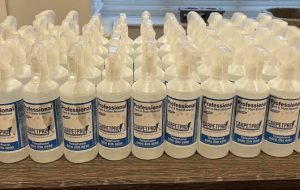
We’ve developed our own organic stain remover, specially formulated to be safe for your family, pets, and carpets. It’s effective, eco-friendly, and easy to use. If you’d like to try it, just reach out to me, Grant, and I’ll get a bottle to you!
By using the right techniques and products, you can keep your carpets clean, fresh, and vibrant for years to come. Proper care and quick action are the keys to maintaining a home you can be proud of!