The Ultimate Guide to Hot Water Extraction Carpet Cleaning
Carpet cleaning is a crucial part of home maintenance, but choosing the right method makes all the difference. Some people worry that hot water extraction (commonly called steam cleaning) might damage their carpets. However, when performed correctly, it is one of the most effective and safe methods to clean and refresh carpets, removing dirt and stains.
Let’s delve into everything you need to know about hot water extraction—how it works, its benefits, potential risks, and tips to ensure the process is done right.
What is Hot Water Extraction Carpet Cleaning?
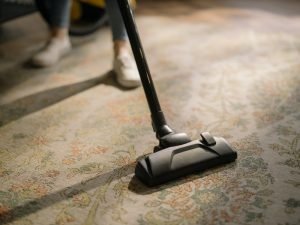
Hot water extraction is widely regarded as one of the most effective carpet cleaning techniques available today. This method uses high-temperature water combined with powerful suction to remove dirt, dust, and stains embedded deep within carpet fibers. The process begins with the application of hot water, which penetrates the carpet to loosen surface contaminants like waxes, oils, and grime. A high-powered vacuum then extracts the dissolved dirt and debris, leaving the carpet clean, fresh, and revitalized. This cleaning method is especially popular because it not only removes visible stains but also sanitizes carpets by killing germs and bacteria using high heat.
Known for its ability to deliver a deep clean, hot water extraction is highly effective in restoring the original appearance and texture of carpets. While professional carpet cleaners are often the go-to choice for this process, homeowners with access to the right equipment and a bit of know-how can achieve excellent results on their own. With proper handling, this method can breathe new life into even the most heavily soiled carpets, making it an excellent choice for homeowners and businesses alike.
Can Hot Water Extraction Damage Carpets?
A common misconception surrounding hot water extraction is that the high-temperature water involved may harm carpets. While it’s true that improper handling can result in damage, hot water extraction is generally a safe and effective method when performed correctly. In fact, this technique not only removes dirt and tough stains but also enhances hygiene by eliminating bacteria, allergens, and other harmful microorganisms. For anyone seeking a reliable way to clean and sanitize their carpets, hot water extraction is a smart and efficient option.
Potential Risks of Unprofessional Usage
Despite its benefits, hot water extraction requires precision and care. When misused, it can lead to a range of issues that may damage your carpet. Here are some potential risks associated with unprofessional or improper usage:
1. Weakening Carpet Fibers
Excessive heat or prolonged exposure to hot water can weaken carpet fibers, making them more susceptible to tearing and wear. This is particularly concerning for older carpets or those that are already showing signs of damage.
2. Shrinkage
Certain carpet materials, such as synthetic fibers like polyester and nylon, are prone to shrinking when exposed to high temperatures. This can result in wrinkling or creasing. While natural fibers like wool are generally more resistant to heat, they can still deform under extreme conditions or prolonged steaming.
3. Color Fading
Non-colorfast carpets are at risk of fading or color bleeding when exposed to hot water or harsh cleaning chemicals. This can result in uneven discoloration, leaving your carpet looking patchy and worn.
4. Backing Degradation
Hot water that seeps into the carpet backing can weaken its adhesive properties, causing it to sag or bubble over time. This not only undermines the carpet’s structure but also shortens its lifespan.
5. Mold and Mildew Growth
One of the most common risks is the development of mold and mildew. If carpets are not dried thoroughly after cleaning, residual moisture creates a perfect environment for these harmful fungi to grow. This can lead to unpleasant odors, health issues, and even permanent damage to the carpet.
Tips to Ensure Safe and Effective Steam Cleaning
To protect your carpets and enjoy the benefits of hot water extraction, follow these best practices:
1. Use Distilled Water
Tap water often contains impurities and minerals that can harm delicate carpet fibers over time. Using distilled water minimizes this risk, ensuring your carpets stay in the best possible condition.
2. Set the Temperature Low
While the method relies on heat, excessive temperatures can be damaging. Opt for a lower temperature setting to reduce the risk of fiber damage, shrinkage, or color fading.
3. Avoid Over-steaming
Limit steaming to 10–15 minutes per area. Over-steaming can saturate the carpet, weaken the fibers, and increase the risk of mold growth due to trapped moisture.
4. Protect Sensitive Areas
For carpets with delicate features, such as fringes, embellishments, or intricate patterns, place a protective cloth or towel over these areas during cleaning to prevent snagging or damage.
5. Vacuum After Cleaning
Vacuuming after steam cleaning helps remove any leftover debris and fluffs up the carpet fibers, giving your carpet a fresh, rejuvenated appearance.
Dos and Don’ts of Hot Water Extraction
Carpet-Steaming Dos:
- Invest in a High-Quality Steamer
- A reliable steamer ensures effective cleaning and minimizes potential risks.
- Pre-treat Stubborn Stains
- Apply a pre-treatment solution to heavily soiled areas to loosen dirt and make the cleaning process more efficient.
- Follow Manufacturer Instructions
- Always adhere to the care guidelines provided by your carpet and steamer manufacturers for the best results.
Carpet-Steaming Don’ts:
- Don’t Over-saturate the Carpet
- Using too much water can lead to shrinkage, mold growth, and extended drying times.
- Avoid Excess Detergent
- Overusing detergent can leave behind residue that attracts dirt, making your carpet dirty again faster.
- Don’t Skip Vacuuming
- Vacuuming thoroughly before steaming helps remove loose dirt and debris, preventing it from interfering with the cleaning process.
How Often Should You Steam Clean Your Carpets?
The frequency of steam cleaning depends on your carpet’s condition, material, and usage. For the average household, carpets should be steam cleaned every 6–12 months to maintain cleanliness and hygiene. Homes with pets, children, or heavy foot traffic may require more frequent cleaning. However, over-cleaning can weaken fibers and cause unnecessary wear, so it’s essential to strike a balance.
Regularly inspect your carpets for signs of dirt, discoloration, or wear, and when in doubt, consult a professional carpet cleaner to ensure the best care. They can provide tailored advice and services to meet the specific needs of your flooring.
Hot water extraction is a tried-and-true method for deep cleaning and sanitizing carpets. With the right approach, it can restore your carpets’ appearance, freshness, and longevity. By following these detailed guidelines and addressing potential risks, you can safely enjoy the benefits of this effective cleaning method. If you’re unsure about handling the process yourself, reaching out to a professional carpet cleaning service is always a wise choice. Their expertise ensures that your carpets are cleaned thoroughly and carefully, enhancing both the comfort and aesthetics of your home.